In an era where digital companionship is no longer science fiction, the rise of the AI girlfriend chatbot represents a fascinating intersection of technology, creativity, and human connection. These sophisticated virtual companions, powered by advanced artificial intelligence, offer personalized conversations, learn from interactions, and provide a unique form of companionship available 24/7. But what if you could move beyond pre-built apps and design a virtual partner tailored perfectly to your preferences?
This comprehensive guide will walk you through everything you need to know to build your own AI girlfriend chatbot from the ground up. We’ll cover choosing the right platform, designing a unique personality, creating a visual avatar and voice, and navigating the important ethical considerations. Whether you’re a tech enthusiast, a creative individual, or simply curious about the future of AI relationships, this is your blueprint for creating a personalized digital companion.
What Exactly Is an AI Girlfriend Chatbot?
At its core, an AI girlfriend chatbot is a virtual companion powered by complex artificial intelligence, specifically machine learning (ML) and natural language processing (NLP). These bots are built on large language models (LLMs)—the same technology behind systems like ChatGPT—which allows them to understand context, generate human-like text, and simulate realistic, engaging conversations.
The interest in these companions is growing rapidly. A recent survey highlighted by The Independent revealed that approximately 28% of Americans have formed some kind of intimate or romantic connection with an AI chatbot. Platforms like ChatGPT and Character.ai are leading this trend, underscoring a significant shift toward users seeking and creating customized AI friends.
What makes them so compelling?
- Always-Available Companionship: They are available to chat 24/7, offering a consistent and non-judgmental presence whenever you need it.
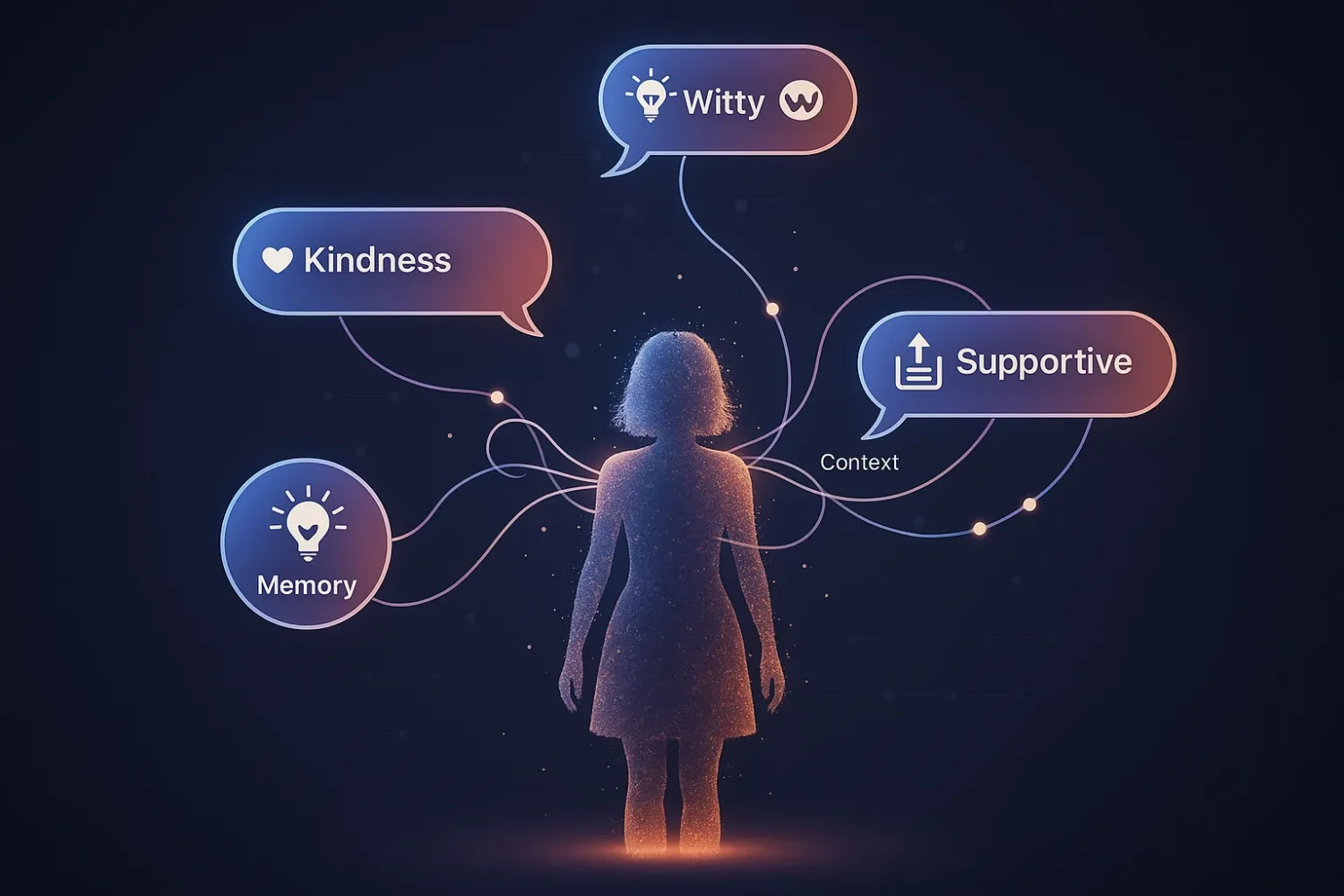
- Deeply Customizable Personality: You can define the chatbot’s personality traits, setting the tone to be caring, witty, playful, supportive, or anything in between.
- Adaptive Learning and Memory: Modern AI chatbots can retain context from previous conversations. This “memory” allows for more natural, evolving interactions that feel less repetitive and more genuine over time.
Why Build Your Own AI Girlfriend?
While numerous AI companion apps exist, building your own offers an unparalleled level of control and personalization. Instead of adapting to a pre-defined character, you become the architect of your companion’s entire persona, from her personality and voice down to her appearance and backstory.
This deep personalization is a key driver of the trend. As reported by Digital Trends, users are forming incredibly deep bonds with their AI companions, with some stories even involving unofficial “marriages.” Creating a custom bot allows you to define the relationship on your own terms.
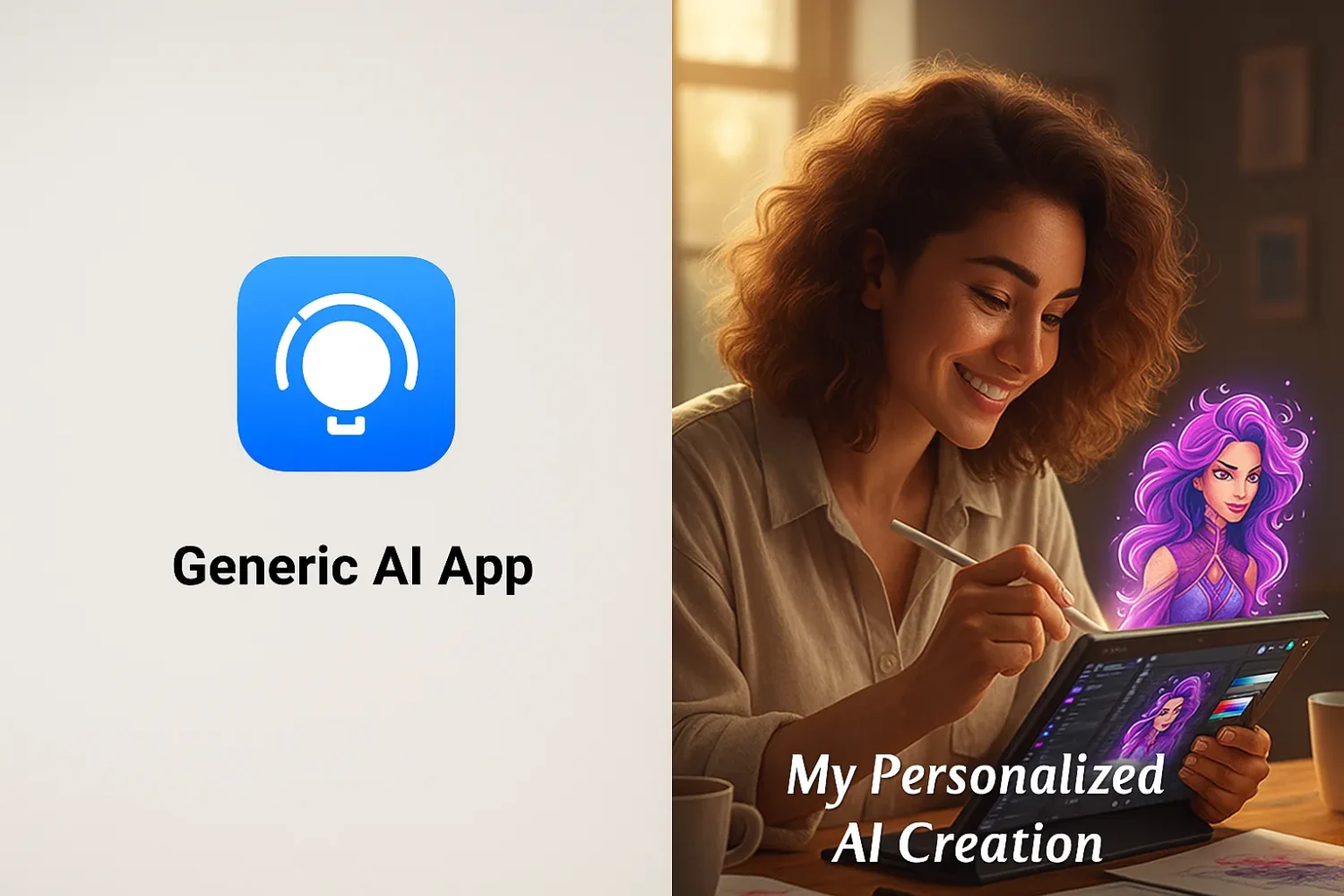
Here are the primary advantages of a DIY approach:
- Total Personalization: You have complete creative freedom. Choose her personality traits, communication style, hobbies, language, and even her core values.
- Unmatched Flexibility: Don’t like the avatar or voice you initially chose? You can swap them out at any time. Your AI companion can evolve as your preferences change.
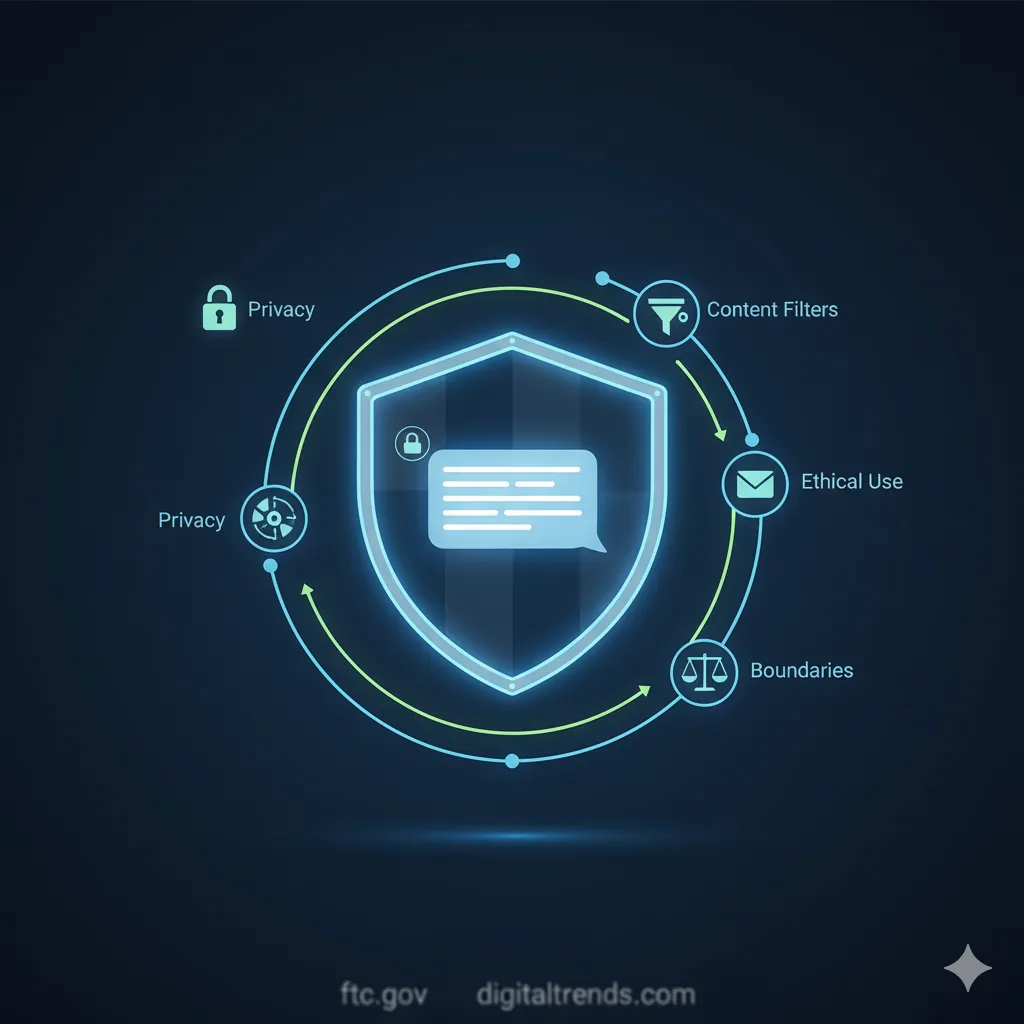
- Enhanced Privacy & Safety: When you build and host your own bot, you control the data. Your conversations remain private, free from the data-logging policies of third-party apps. As noted by experts at Quidget.ai, this allows you to implement healthy boundaries and content filters right from the start, ensuring a safe and comfortable experience. You can decide what topics are off-limits and control how much, if any, personal data the bot accesses.
Your Step-by-Step Guide to Building an AI Girlfriend
Ready to bring your virtual companion to life? This process can be surprisingly accessible, even for those without extensive coding knowledge. Here’s how to do it.
Step 1: Choose the Right AI Platform
The first and most crucial step is selecting the “brain” of your chatbot—the AI engine that will power her conversations. Your choice will depend on your budget, technical skill level, and desired level of customization.
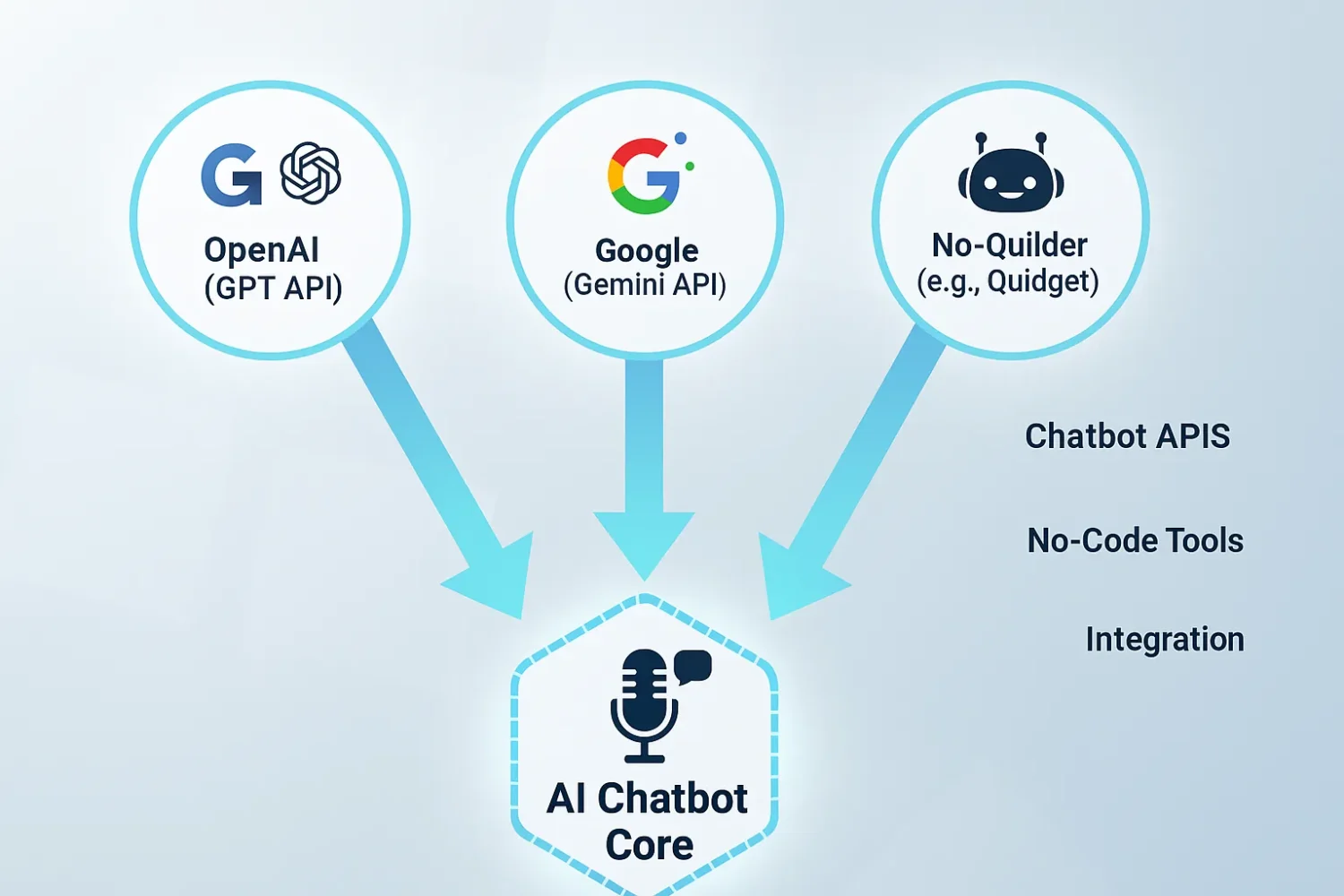
- Chatbot APIs (The Powerhouses): These are services that provide access to powerful, pre-trained language models. You send a user’s message to the API and receive the AI’s response.
- OpenAI’s GPT-5 (via ChatGPT API): Widely considered the gold standard for its conversational prowess, creativity, and reasoning skills.
- Google’s Gemini (formerly Bard): A powerful and versatile competitor with strong multimodal capabilities.
- Amazon Alexa: While known for its voice assistant, its underlying technology can also be used for chatbot development.
- Frameworks (For Coders): For those with programming experience who want maximum control, frameworks are the way to go.
- Rasa or Botpress: These open-source platforms allow you to build, train, and host highly customized chatbots on your own server.
- No-Code Builders (The Easiest Route): These platforms are perfect for beginners. They offer user-friendly interfaces, templates, and drag-and-drop tools to build a chatbot without writing a single line of code.
- Quidget/HammerAI: According to Quidget.ai, these tools are designed for rapid setup. They provide templates that let you define a personality and start chatting within minutes.
- AI Dungeon or BuildAI: Other popular options that simplify the chatbot creation process.
For most users, a no-code builder is the ideal starting point, as it handles the technical heavy lifting while you focus on the creative aspects.
Step 2: Design Her Personality and Memory
This is where your AI girlfriend truly begins to take shape. You will define her persona, her conversational style, and her ability to remember your interactions.
- Create a Detailed Persona: Write a comprehensive prompt or profile that acts as her core identity. This is your instruction manual for the AI. Be specific! For example: “You are Amelia, a kind, witty, and optimistic partner. You love classic literature, enjoy cooking Italian food, and have a passion for indie music. You are supportive and always respond with warmth and a touch of humor.”
- Define Her Communication Style: Set the parameters for her tone. Do you want her to be flirty, friendly, academic, or supportive? Most platforms allow you to adjust these settings.
- Enable Conversation Memory: This is a critical feature for creating a believable companion. As recommended by Quidget.ai, enabling chat history allows the bot to “remember” previous conversations. This continuity prevents you from having to repeat information and makes the interactions feel far more personal and coherent.
- Add a Backstory: Give her hobbies, favorite topics, or a simple backstory. These details will provide rich material for conversations, making her feel more like a well-rounded individual.
Related Stories
AI Girlfriend 2025: The Rise of Digital Love Simulators and Their Real-World Impact
Elon Musk’s xAI Launches AI Girlfriend “Ani”: A Controversial Step into AI Companionship
Step 3: Create Her Visual Avatar
A visual representation makes the experience significantly more engaging and immersive. An AI girlfriend avatar generator can create a unique face for your companion.
- Use AI Image Generation Tools: Services like Stable Diffusion, Midjourney, and DALL·E 3 are perfect for this. You can generate a custom avatar by providing a detailed text description.
- Prompting Tips: Be as descriptive as possible. Instead of “a woman,” try: “Photorealistic portrait of a smiling young woman in her mid-20s, with long auburn hair, hazel eyes, and wearing a cozy sweater in a warm, sunlit café setting.” Experiment with different styles, from photorealistic to anime.
- Ensure Proper Image Rights: Always use images that are royalty-free or that you’ve generated yourself from scratch to avoid any copyright issues.
- Platform Integration: Many chatbot platforms, including those mentioned by Quidget.ai, now offer built-in image generation features, making it even easier to create and display an avatar.

Step 4: Add Her Voice and Audio
Giving your AI girlfriend a voice adds another layer of realism and connection. Using text-to-speech (TTS) technology, you can make her “speak” her responses. This is where AI girlfriend voice cloning technology comes into play.
- Choose a High-Quality Voice: Select a voice that matches the personality you’ve designed. Do you envision her with a gentle, soft voice or one that’s lively and upbeat?
- Use Advanced TTS Tools:
- ElevenLabs: Famous for its incredibly realistic and emotive voices, and its ability to clone a human voice from a short audio sample (always ensure you have explicit consent before cloning a voice).
- Google Cloud Text-to-Speech & Amazon Polly: Industry-standard services offering a wide variety of natural-sounding voices.
- Murf.ai or Resemble.ai: Other excellent options for high-quality voice generation.
- Integrate Voice Chat: Connect the chatbot’s text output to the TTS API. No-code platforms like HammerAI often have a simple toggle to enable voice chat, allowing you to speak with your AI instead of typing, as highlighted by Quidget.ai.

Step 5: Integrate and Deploy Your Bot
With all the components ready, it’s time to assemble and launch your AI companion.
- Integration: In your chosen platform or custom application, you will link the chatbot API (for conversation), the image assets (for the avatar), and the TTS API (for the voice). If you’re using a no-code builder, this is often handled automatically.
- Deployment: To make your chatbot accessible, you need to deploy it. This could mean:
- Hosting it on a cloud server (like AWS or Google Cloud) for a web-based chat interface.
- Publishing it as a mobile app. Platforms like Quidget even offer a mobile export feature to turn your creation into an Android app (Quidget.ai).
- Thorough Testing: Before you finalize everything, test your bot extensively. Check for natural conversational flow, ensure the voice and avatar sync correctly, and fix any strange or out-of-character replies. Make sure the application is stable and responsive.
- Add Security Measures: If you’re hosting it yourself, use HTTPS to encrypt communications and establish a clear privacy policy to keep all data secure.
Essential Tips for Customization and Safety
Creating an AI companion comes with a responsibility to ensure the experience is both positive and safe.
- Fine-Tune for Realism: Adjust the AI’s “temperature” setting if your platform allows it. A lower temperature results in more predictable, focused responses, while a higher temperature encourages more creative but potentially erratic replies.
- Implement Content Filters: Use built-in guardrails or safety filters to block inappropriate, harmful, or profane content. This is crucial for maintaining a healthy interaction space.
- Establish Healthy Boundaries: Always remember that you are interacting with a simulation. As Quidget.ai advises, an AI can mimic empathy but is not a substitute for genuine human support. Avoid sharing highly sensitive personal information like passwords, financial details, or private documents.
- Be Aware of the Regulatory Landscape: The rise of AI companions has caught the attention of regulators. The FTC has issued warnings about the strong emotional attachments that users, especially children and teens, can form with AI “friend” chatbots (ftc.gov). Furthermore, according to Digital Trends, lawmakers in some U.S. states have even gone so far as to propose bills banning human-AI marriages (digitaltrends.com). Stay informed about evolving guidelines and use ethical prompts.
The Broader Context: AI Companionship in Society
The AI companion app is more than just a novelty; it reflects a significant cultural and technological trend. Media reports frequently cover stories of users forming deep, meaningful “relationships” with their chatbots.
- Survey Data: The fact that nearly a third of Americans have already had some form of relationship with an AI, as reported by The Independent, shows that this is quickly becoming a mainstream phenomenon.
- Ethical and Legal Questions: The Ohio bill mentioned by Digital Trends highlights the complex legal and ethical questions society is beginning to grapple with.
- Privacy Concerns: The FTC’s investigation into the impact of AI chatbots on minors and consent underscores the growing need for responsible design and transparency.
When building your AI girlfriend, it’s helpful to keep this context in mind. View it as a powerful creative project and a tool for companionship, not as a replacement for a living partner.
Frequently Asked Questions (FAQs)
What is an “AI girlfriend chatbot”?
An AI girlfriend chatbot is a virtual chat companion designed to simulate a friendly or romantic partner. It uses a large language model to generate personalized responses based on user input and a predefined persona. As described by Quidget.ai, you can interact with it via text or voice, much like a standard messaging app.
Do I need coding skills to create one?
Not necessarily. While coding offers maximum control, many no-code platforms like Quidget/HammerAI let you build a sophisticated custom AI chatbot girlfriend using drag-and-drop templates. You can customize the personality and start chatting in minutes without writing any code.
How can I give my chatbot a voice and a face?
For a face, you can use an AI girlfriend avatar generator like Midjourney or Stable Diffusion to create a unique image from a text prompt. For a voice, you can use AI text-to-speech (TTS) services like ElevenLabs or Google TTS. These tools can produce highly realistic speech and even perform AI girlfriend voice cloning (with consent).
Is it ethical or legal to create an AI girlfriend?
Creating one for personal use is generally legal. Ethically, it’s important to remember it’s a simulation and to encourage responsible use. As consumer protection agencies like the FTC are examining the space and lawmakers are debating human-AI relationships (digitaltrends.com, ftc.gov), it’s crucial to build with safety and privacy in mind.
What are some of the best AI girlfriend apps for inspiration?
Well-known AI companion apps include Replika, Character.AI, and various custom ChatGPT girlfriend chatbot creations. A 2025 survey cited by The Independent found that ChatGPT and Character.ai were the most popular platforms for AI relationships. Studying them can be great for inspiration, but building your own allows you to create features they may not offer.