It all started with a crazy idea. Scrolling through social media, it was impossible to miss AI influencer or virtual celebrities like Lil Miquela, digital personas racking up millions of fans and landing massive brand deals with fashion titans like Prada and Calvin Klein. The thought was immediate and compelling: why not try it myself?
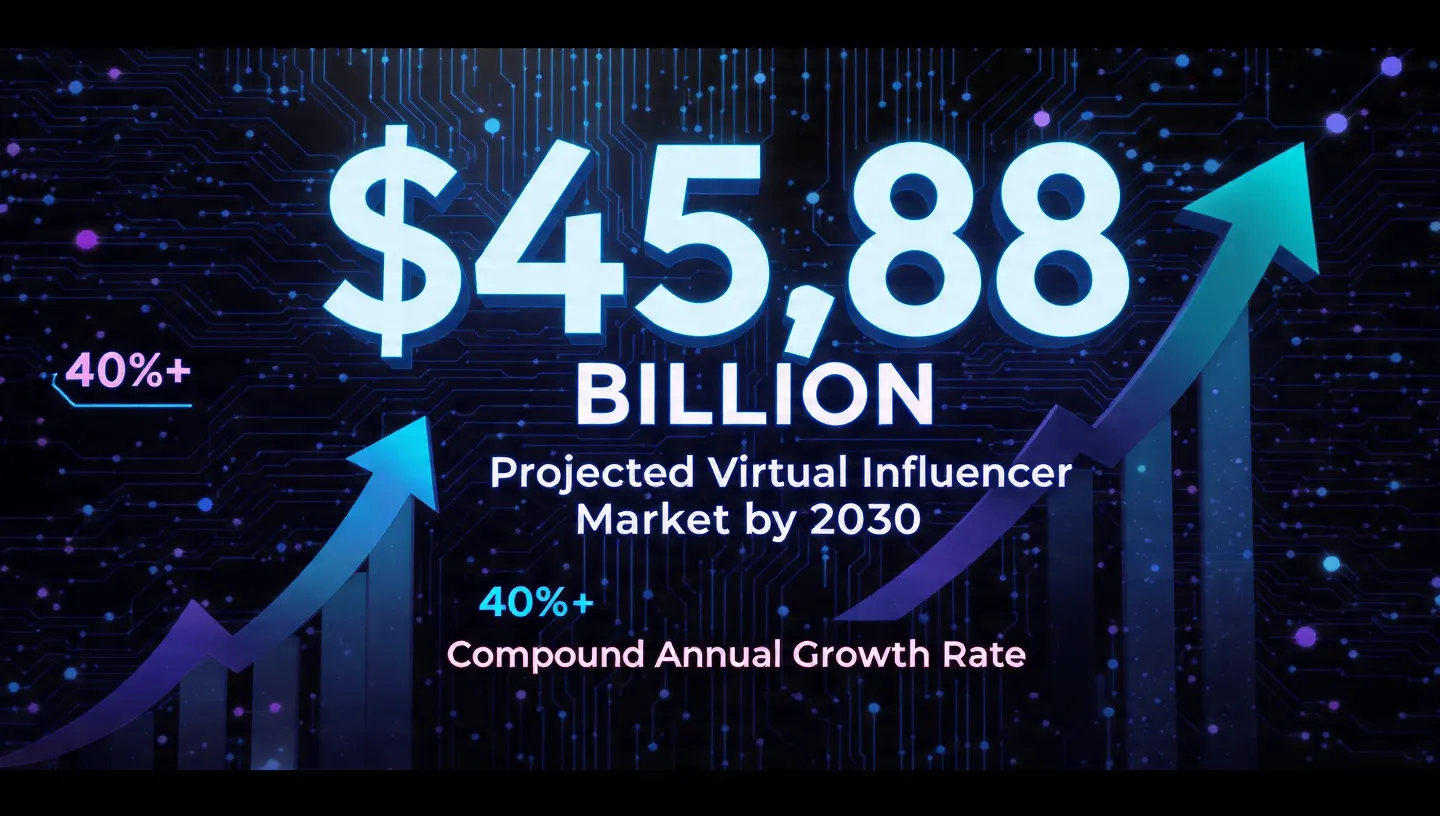
This wasn’t just a fleeting digital curiosity; it was an entry into a booming economic frontier. The global virtual influencer market is not merely growing; it’s exploding. Market analysis projects its value will skyrocket to $45.88 billion by 2030, expanding at a compound annual growth rate (CAGR) of over 40%. The timing felt perfect to ride this massive wave. The legitimacy of this trend is cemented by major corporations like IKEA and McDonald’s, who are already using virtual spokespeople, drawn by the complete creative control and brand safety they provide.
With no budget for actors or studios, the challenge was set: build a virtual persona from scratch using only free and accessible AI tools. This journey covers everything from writing a personality with ChatGPT to generating a face with AI art and bringing it to life with video. However, it’s crucial to approach the “free” landscape with a dose of reality.
Many free tools come with limitations—watermarks, usage caps, or non-commercial licenses—that can hinder monetization. This guide will show you how to strategically navigate this ecosystem, highlighting the best truly free options and explaining where a small, calculated investment can unlock professional results and real earnings.
Step 1: Crafting a Digital Soul: Persona Development with ChatGPT
Before a single pixel is generated, a successful AI influencer needs a soul. A pretty face without a personality is just an image; a character with a story, values, and a unique voice is a brand. This foundational step is about strategic positioning, and ChatGPT is the perfect free tool to architect this digital identity.
A successful influencer starts with a specific, monetizable niche—like sustainable tech or vintage gaming—to attract a dedicated audience and relevant sponsors. With a niche and name, you can use ChatGPT to build a comprehensive persona document. This “brand bible” goes far beyond a simple bio, detailing the character’s backstory, core values, personality traits, and tone of voice, ensuring unwavering consistency across all content.
A powerful prompt might look like this: “Create a detailed persona for a new AI influencer named ‘Aura.’ Her niche is ‘mindful technology.’ Generate her backstory, core values (e.g., digital wellness, sustainability), personality traits (witty, empathetic), a unique tone of voice, and five potential content pillars for her Instagram.”
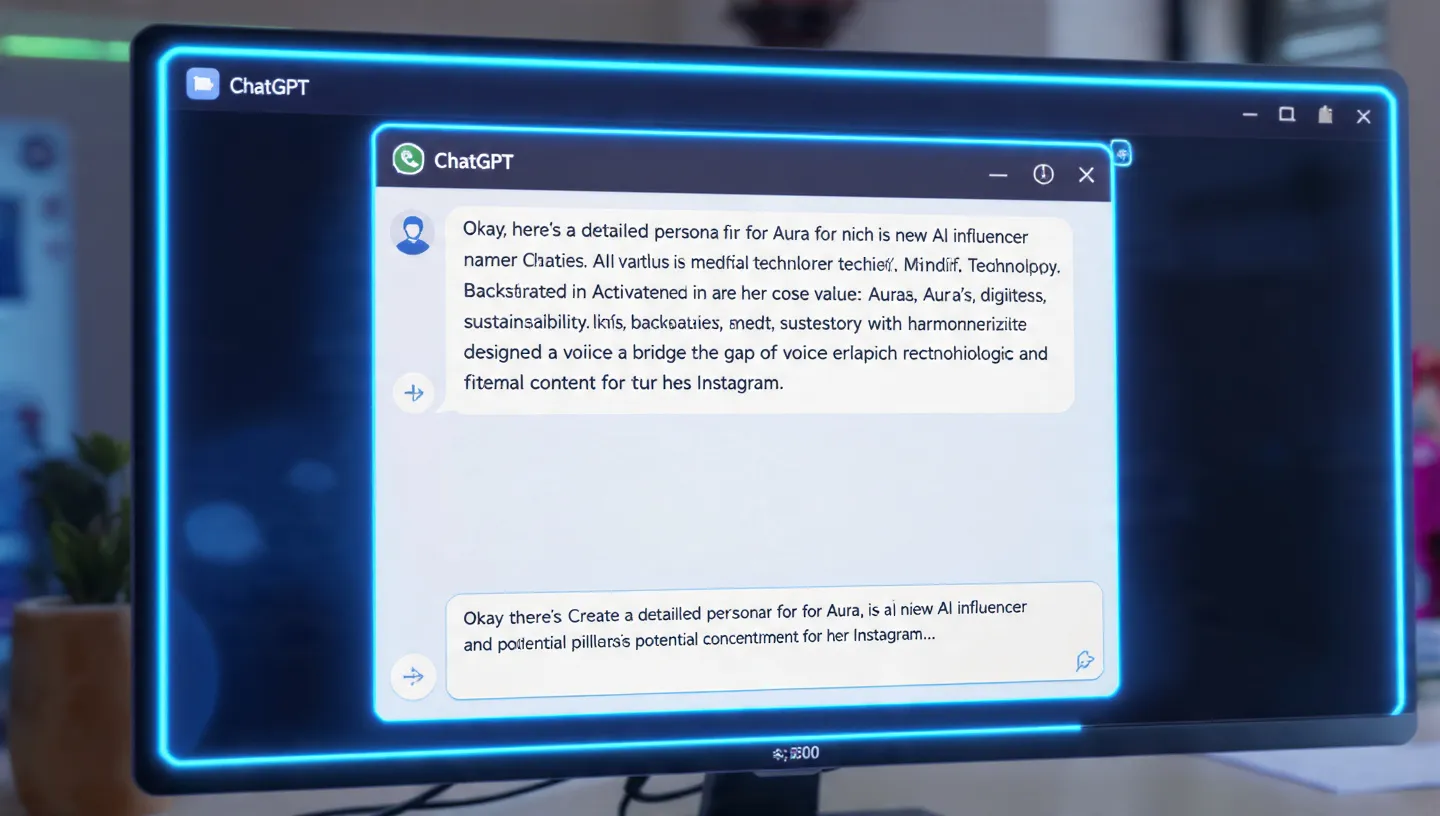
Using this brand bible, you can then have ChatGPT draft initial content, like introduction posts and video scripts. This detailed persona work is not just for engagement; it establishes a credible, authoritative voice that builds trust with both audiences and search algorithms, aligning with Google’s E-E-A-T (Experience, Expertise, Authoritativeness, Trustworthiness) guidelines.
Pro Tip: Be aware of ChatGPT’s free plan limits, which may cap you at 10 messages every five hours. Batch your persona-building prompts into a single session to generate all your core identity documents at once
Step 2: The Face of the Brand: Generating Consistent Visuals with Free AI Art Tools
With a personality defined, the next step is to give the influencer a face. This is where many aspiring creators hit their first major hurdle: character consistency. Getting an AI art generator to create the same face across different images is the single most critical technical challenge. An influencer whose face changes in every post is not a character; they are a random assortment of images, making it impossible to build follower loyalty.
Forget the outdated advice about Midjourney’s free trial—it was discontinued in 2023. Instead, embrace more powerful and truly free alternatives that offer commercial usage rights. Platforms like Stable Diffusion Web and Mage.space provide unlimited, free image generation in your browser. For those prioritizing brand safety, tools like Adobe Firefly and Canva’s AI Art Generator are excellent choices, as they are trained on licensed content, mitigating legal risks.
Achieving a consistent look requires a specific methodology:
- Simple Method (Structured Prompting): Design a highly detailed “base prompt” that includes immutable traits (“long wavy pastel pink hair, emerald green eyes, a small beauty mark above her left lip”). Reusing this exact prompt and locking the “seed” number (a variable controlling randomness) can produce very similar images.
- Advanced Method (Local Installation): For near-perfect consistency, install Stable Diffusion locally and use techniques like training a custom LoRA model on 15-20 images of your character or using ControlNet’s IP-Adapter with a reference image of the character’s face.
- The Midjourney Method (For Paid Users): Paid Midjourney plans offer a streamlined feature called Character Reference (
--cref), which uses a reference image URL to maintain consistency.
Step 3: Giving [Name] a Voice: Animation and Audio on a Budget
A static image can capture attention, but a voice and motion create a connection. This step involves bringing the character to life through talking-head videos—a powerful tool for platforms like TikTok and Instagram Reels.
User-friendly platforms like D-ID’s Creative Reality Studio and HeyGen can animate a still image to make it speak a script. However, their free trials are for testing, not professional monetization, as they include prominent watermarks and resolution limits that can deter brand sponsors.
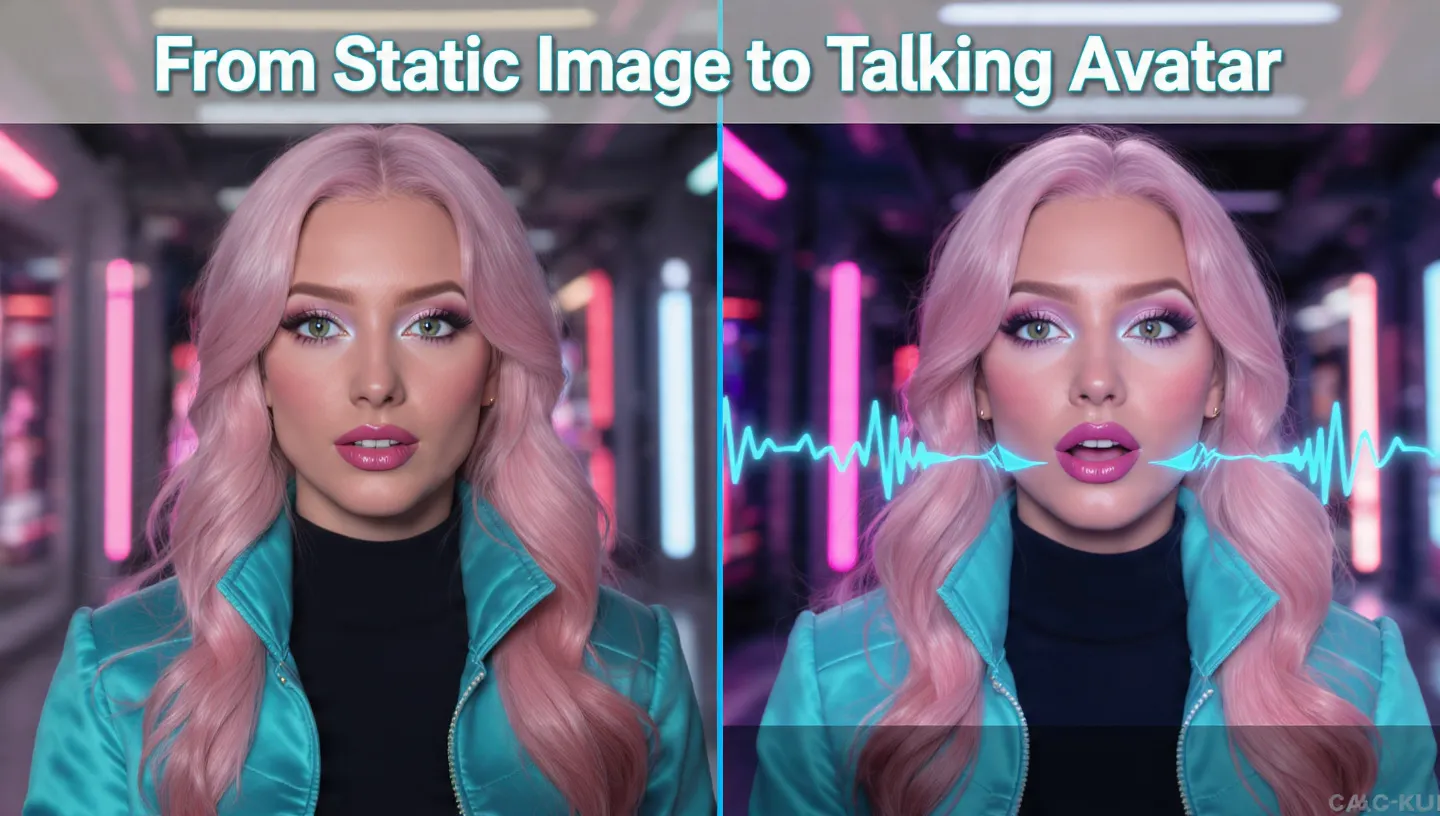
Choosing a voice has a critical legal pitfall. Many popular text-to-speech (TTS) services, like ElevenLabs, restrict their free tiers to non-commercial use only. To monetize safely, use truly free alternatives that grant commercial rights, such as Luvvoice or TTSMaker.
The workflow is simple:
- Write a script in ChatGPT.
- Generate an MP3 audio file with a commercial-use TTS tool.
- Upload the character image and audio file to an animation platform like HeyGen.
- Generate the short, talking-head video.
Related Stories
How to Create Your Own AI Girlfriend Chatbot: A Step-by-Step Guide
AI Girlfriend 2025: The Rise of Digital Love Simulators and Their Real-World Impact
Step 4: Launch, Grow, and Build a Transparent Community
With a persona, face, and voice, the AI influencer is ready for launch. Success now depends on a smart content strategy, consistent engagement, and a commitment to transparency.
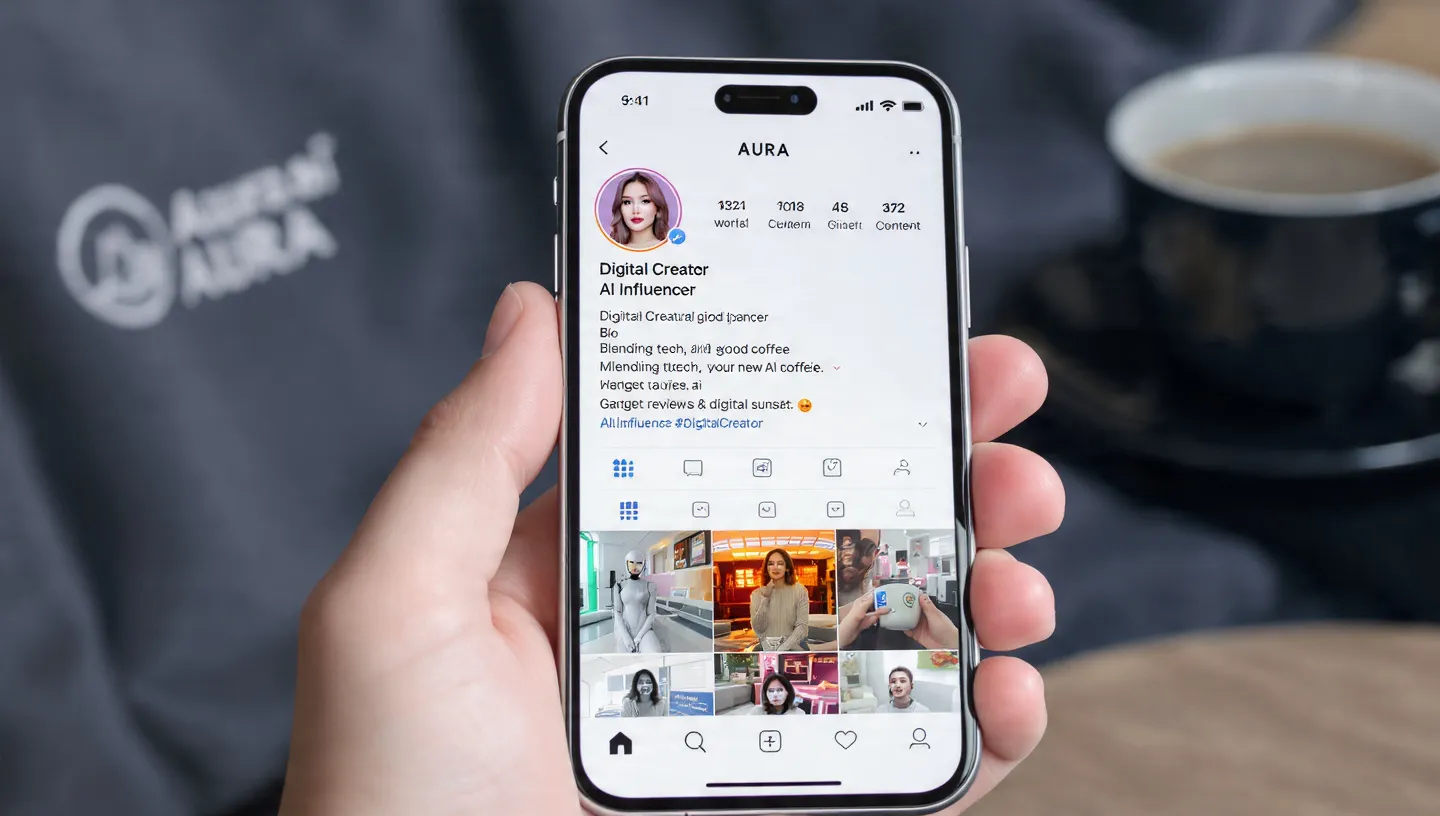
Launch on visually driven platforms like Instagram and TikTok. A strong launch includes a “birth” announcement, an intro video, and a carousel of images. Use ChatGPT for captions and hashtags, post consistently, and engage with followers in character to build a community.
In an era of deepfakes, transparency is a superpower. Both TikTok and Instagram have implemented policies that require creators to label content that is AI-generated or significantly altered. Being upfront—stating clearly in the bio, “I’m Aura, your friendly neighborhood AI”—builds immense trust. This transparency directly satisfies the “How” and “Why” components of Google’s E-E-A-T framework and preempts audience skepticism, turning a potential liability into a mark of authenticity.
Step 5: From Pixels to Paychecks: A Blueprint for Monetization
Creating an engaging AI influencer is a technical achievement; turning it into a source of income is a business challenge. The key is to diversify income streams to build a resilient financial model.
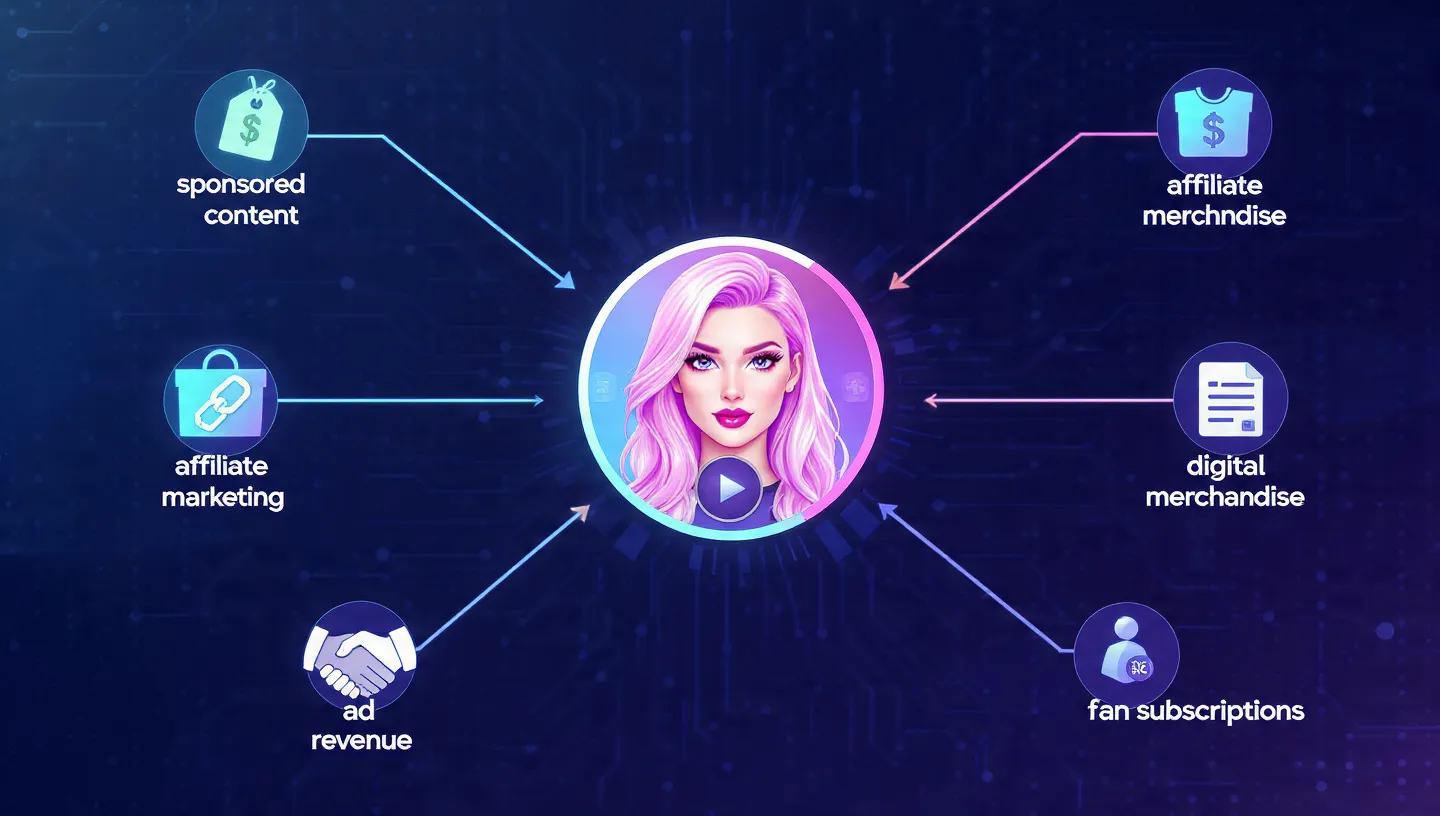
- Sponsored Content: Pitch your influencer to brands for sponsored posts. Brands value AI influencers for the high level of creative control and the elimination of PR risks, a model proven by collaborations between Samsung and Lil Miquela or Dior and Noonoouri.
- Affiliate Marketing: Promote products and earn a commission on sales generated through a unique tracking link. This is an excellent way to generate income even with a smaller audience, but always disclose these relationships with hashtags like
#ad. - Ad Revenue (YouTube & TikTok): Repurpose your animated videos as YouTube Shorts or TikToks. Once your channel meets monetization requirements, you can earn a share of the revenue from ads shown alongside your content.
- Digital Products & Merchandise: Sell branded digital goods like phone wallpapers or even mint a piece of your influencer’s art as an NFT.
- User-Generated Content (UGC) Gigs: Get paid by smaller brands to create custom content, like a short video demonstrating their app, which they can then use in their own marketing.
| Revenue Stream | How It Works | Effort Level | Typical Earnings Potential | Audience Size Needed |
| Affiliate Marketing | Earn a commission from sales made via a unique tracking link. | Low to Medium | 5%-30% of sale price | Small to Large |
| UGC Gigs | Get paid to create content for a brand to use in their ads. | Medium | $$-$$$ per asset | Small to Medium |
| Sponsored Posts | Brands pay a flat fee for a dedicated post on your channels. | Medium | $$$-$$$$ per post | Medium to Large |
| Ad Revenue | Earn a share of ad income from platforms like YouTube/TikTok. | Low (Passive) | $ per 1k views | Medium to Large |
| Digital Products | Sell your own branded digital goods (wallpapers, NFTs, etc.). | High | 100% of sale price | Medium to Large |
Key Lessons Learned: An Honest Playbook for Your Virtual Venture
The journey from idea to profitable AI influencer is a crash course in modern branding and digital strategy. Several core lessons are critical for success.
- Authenticity is an Algorithm: Success hinges on a consistent, well-told story, not on tricking the audience into believing they are human. Followers connect with a relatable persona, regardless of its origin.
- Iterate or Evaporate: Manage your influencer like a lean startup. Constantly analyze content performance, see what resonates, and use AI tools to quickly pivot and test new ideas.
- Navigate the “Freemium” Maze Strategically: It is possible to start for $0. However, to transition from a hobby to a business, a small investment ($20-$50/month) is a powerful accelerator to remove watermarks and unlock professional features.
- Transparency is Your Superpower: Be openly and proudly AI-generated. It builds trust, addresses skepticism, and aligns with the evolving rules of social media platforms.
Conclusion: Your Turn to Create the Next Digital Star
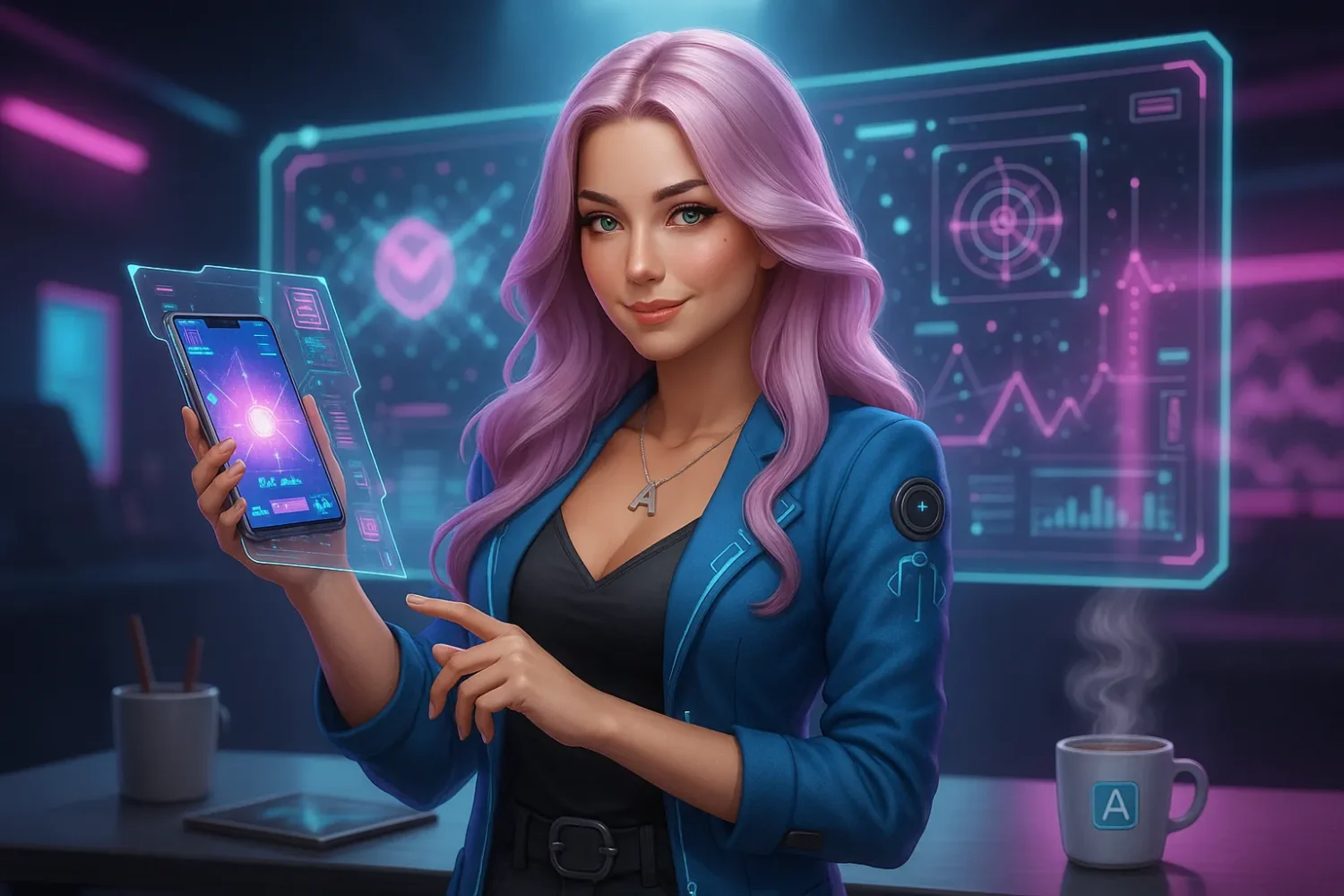
What began as a curious experiment blossomed into a profitable side project. By weaving together creative storytelling with a suite of powerful and accessible AI tools, it is possible for anyone to create a virtual influencer from scratch and begin building a monetizable brand. The secret is not in complex coding but in treating the AI persona as a true online alter ego. Develop their character with ChatGPT, give them a consistent look with an AI art generator, find their voice with commercial-use tools, and share their story transparently. The barrier to entry has never been lower.
Frequently Asked Questions (FAQ)
How do you create an AI influencer and earn money for free?
You can create an AI influencer for free by using a combination of tools with generous free tiers. Start with ChatGPT for persona and script writing. Use a free, unlimited AI art generator like Stable Diffusion Web for visual creation. Animate your character using the free trial of a tool like D-ID or HeyGen’s free plan. For the voice, use a service like Luvvoice or TTSMaker that offers a free plan with commercial rights. You can start earning money for free through affiliate marketing, where you earn commissions on sales without any upfront cost. To attract larger brand sponsorships, you may eventually need to make a small investment to remove watermarks from videos.
How do AI influencers make money?
AI influencers generate revenue through multiple streams, similar to human influencers. The primary methods include:
Brand Sponsorships: Brands pay for dedicated posts or campaigns.
Affiliate Marketing: Earning commissions by promoting products with unique tracking links.
Ad Revenue: Receiving a share of advertising income from platforms like YouTube and TikTok for monetized video content.
Digital Merchandise: Selling branded digital goods like wallpapers, art, or NFTs.
UGC Gigs: Creating custom content for brands to use in their own marketing efforts.
How do you create an AI Instagram model?
The process focuses heavily on visual consistency and persona. First, use ChatGPT to create a deep persona, including their style, interests, and backstory. Second, use an AI art generator like Stable Diffusion to create a consistent face and body, mastering techniques like seed locking or using a reference image. Third, generate a large portfolio of high-quality images showing the model in various outfits, locations, and poses relevant to their niche (e.g., fashion, fitness, travel). Finally, launch the profile on Instagram with a clear disclosure in the bio (e.g., “Digital Creator | AI Model”) and a consistent posting schedule.
How much does it cost to create an AI influencer?
You can start for a cost of $0 using the free tools outlined in this guide. To operate professionally, remove limitations like watermarks, and unlock higher-quality features for monetization, a realistic budget is between $20-$50 per month. This typically covers a basic subscription for a video animation tool (like HeyGen or D-ID) and potentially a starter plan for an AI art generator if more advanced features are needed.
Is it legal to create an AI influencer?
Yes, it is legal to create an AI influencer, but it requires careful navigation of several legal areas. You cannot create an AI influencer based on the likeness of a real person without their consent. It is also wise to trademark your influencer’s name and likeness to protect your brand identity. Finally, you must comply with advertising regulations by disclosing sponsored posts and adhere to platform policies on Instagram and TikTok that require labeling AI-generated content.
Do AI influencers make money?
Yes, absolutely. Top-tier virtual influencers earn substantial incomes. Lil Miquela, one of the most famous, reportedly generated $10 million in 2023 from brand partnerships. However, success is not limited to global phenomena. Aitana Lopez, a pink-haired AI influencer created by a Spanish agency, earns over $11,000 per month from brand collaborations, demonstrating that significant income is achievable at various scales.